

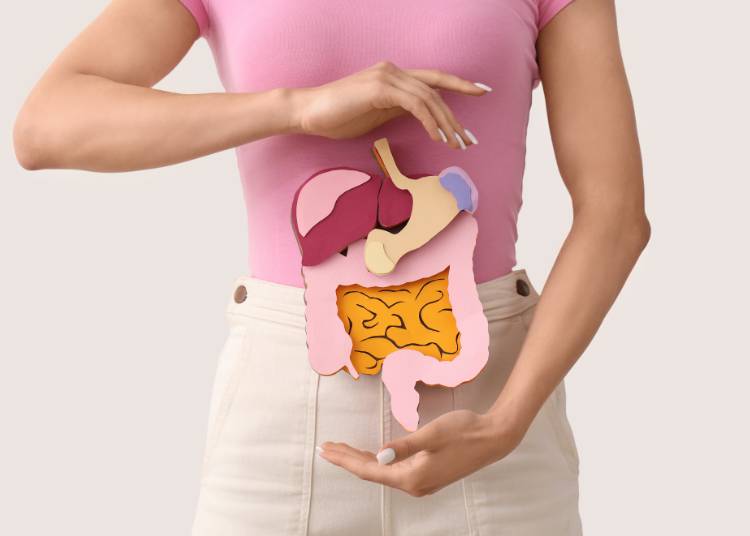
Friendly Bacteria and the Gut Microbiome
Your digestive system is home to trillions of microorganisms, including bacteria, yeasts and other microbes. Together, these are often referred to as the gut microbiome. This complex community is an active area of scientific research and is thought to be influenced by a range of everyday factors, including diet, lifestyle, age and the use of certain medicines.
Friendly bacteria is a commonly used term for selected live microorganisms found in fermented foods and food supplements. These may include well-known types such as Lactobacillus, Bifidobacterium and Saccharomyces boulardii. Different strains have different characteristics, which is why products often list the specific strains they contain, along with the number of live cultures provided.
A varied and balanced diet remains one of the most important foundations for general wellbeing. Foods that contain fibre, fermented foods and products containing live cultures can all form part of a varied diet, depending on personal preference and dietary needs.
What Are Friendly Bacteria?
Friendly bacteria are live microorganisms that may be found naturally in certain fermented foods or added to food supplements. They are usually identified by their genus, species and strain. For example, a product label may refer to Lactobacillus rhamnosus GG or Bifidobacterium lactis. This level of detail helps identify the exact microorganism used in the product.
Friendly bacteria supplements are available in different forms, including capsules, tablets, powders and liquids. Some products contain a single strain, while others contain a blend of several strains. They may also include additional ingredients such as fibre or vitamins and minerals.
The Gut Microbiome
The gut microbiome is a naturally occurring community of microorganisms found in the digestive tract. It is influenced by many factors, including the foods we eat, hydration, sleep, stress, travel, age and medication use. Because everyone’s microbiome is different, there is no single approach that is suitable for everyone.
Research into the gut microbiome continues to develop, and scientists are still learning more about how different strains of live cultures behave in the body. For consumers, this makes clear product labelling especially important.
Friendly Bacteria in Foods
Friendly bacteria can be found in a variety of fermented foods. Common examples include:
- Live yoghurt and kefir
- Fermented vegetables such as sauerkraut and kimchi
- Fermented soya foods such as tempeh, miso and natto
- Fermented drinks such as kombucha
The types and amounts of live cultures in these foods can vary depending on the ingredients used, the fermentation process and how the product is stored.
Fibre Containing Foods
There are specific types of fibre that are used as a food source by microorganisms in the gut. They occur naturally in a range of plant foods, including onions, garlic, leeks, asparagus, oats, bananas and pulses.
Including a variety of fibre-containing foods in your diet can help contribute to a balanced and varied eating pattern. As with any dietary change, it is best to introduce higher-fibre foods gradually and drink plenty of fluids.
Friendly Bacteria Supplements
Friendly bacteria supplements are designed to provide selected live cultures in a convenient format. When choosing a supplement, it may be useful to check:
- The full strain names listed on the label
- The number of live cultures provided per serving
- Whether the live cultures are guaranteed until the expiry date
- Storage instructions, as some products may require refrigeration
- Whether the product is suitable for your dietary requirements
Some supplements are formulated with additional nutrients, such as vitamins or minerals. Where a product makes a health claim about an added nutrient, that claim should be based on an authorised claim and used in line with the relevant conditions of use.
How to Include Friendly Bacteria in Your Routine
There are several simple ways to include fermented foods or friendly bacteria products as part of your daily routine:
- Add live yoghurt or kefir to breakfast with fruit, nuts or seeds
- Serve fermented vegetables alongside meals
- Use miso or tempeh in soups, salads or stir-fries
- Choose a supplement that clearly lists its strains and live culture count
- Follow the usage instructions provided on the product label
Consistency, storage and suitability are important considerations. Always follow the directions supplied with the product.
A Balanced Approach
Friendly bacteria, fermented foods and prebiotic fibre can all form part of a varied, balanced diet. The gut microbiome is a growing area of research, and interest in live cultures continues to increase as more people look at the role of diet and lifestyle in everyday wellbeing.
When choosing foods or supplements, look for clear labelling, strain information and straightforward usage instructions. For anyone with a medical condition, taking prescribed medication, pregnant, breastfeeding or buying for a child, it is advisable to seek guidance from a qualified healthcare professional before using a new supplement.


