

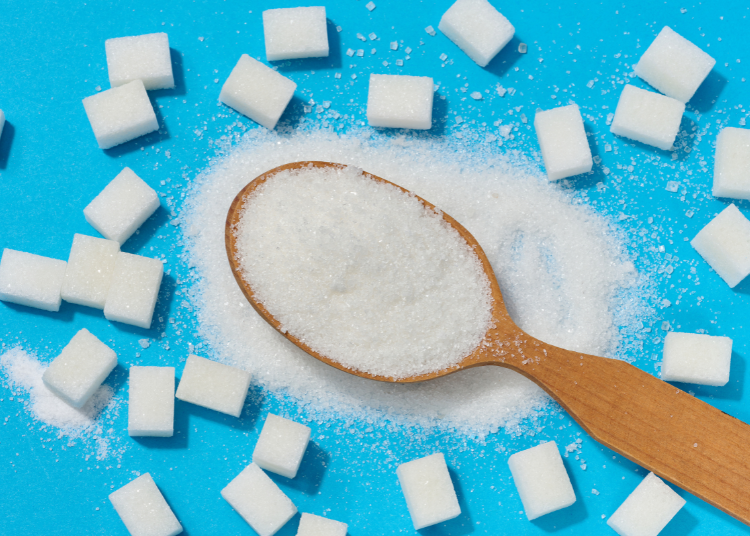
Sugar is often positioned as the problem. It is blamed for low energy, weight instability, and a lack of willpower.
And while high intakes of added sugar can absolutely impact health, the idea that sugar is inherently addictive in the same way as drugs or alcohol is not strongly supported by current evidence.
What many people experience is not addiction, but a combination of habit, environment, biology, and emotional association. When you understand that, the conversation shifts. It becomes less about “cutting yourself off” and more about supporting your body in a way that naturally reduces cravings.
Why sugar feels hard to resist
Sugar does activate the brain’s reward system. When you eat something sweet, dopamine is released, which creates a sense of pleasure and reinforcement. This is not unique to sugar. It also happens with many enjoyable experiences, including social connection, movement, and even everyday pleasures like listening to music or watching a sunset.
Highly processed foods that combine sugar with refined carbohydrates and fats are designed to be easy to eat and difficult to stop eating. When these foods are eaten regularly, especially in isolation or in response to stress, they can become part of a repeated loop. Over time, this can feel like a loss of control, but it is not a true addiction. It is a pattern, one that your body and brain have learned because it temporarily meets a need: energy, comfort, or distraction.
What’s really driving sugar cravings?
Cravings are often your body communicating something. When you listen closely, they tend to make sense.
Blood sugar imbalance
Meals that are low in protein, fibre, or fat can lead to rapid rises and drops in blood glucose. That drop often triggers a desire for quick energy, which shows up as a craving for something sweet.
In some people, this can feel like a sudden “panic” for sugar mid‑afternoon or after a light meal. It’s not willpower failing; it’s physiology asking for fuel.
Undereating
If you’re not eating enough overall, your body will naturally push you towards energy‑dense foods. Sugar becomes an easy target because it is quick, palatable, and widely available.
When you’re running on low energy, your brain is focused on survival, not long‑term goals. That’s why restrictive eating often ends up driving intense cravings for sugary foods.
Emotional regulation
Sweet foods are often tied to comfort, reward, or relief. Reaching for them during stress, fatigue, or low mood is a learned and very human response. Using food for comfort is not a failure; it’s an adaptation.
Over time, the brain begins to associate sweetness with relief, which is why emotional events or tiredness can trigger a strong desire for something sweet.
Habit and environment
If you always have something sweet after dinner, your brain will start to expect it. If your environment is filled with ultra‑processed snacks at eye level, you are more likely to reach for them on autopilot. Cravings are not just about nutrition; they are also about cues, routines, and what’s easy to reach.
Sleep and stress
Poor sleep and chronic stress increase hunger hormones like ghrelin and reduce your ability to regulate appetite. This often leads to stronger cravings for high‑sugar, high‑fat foods. Even one night of disrupted sleep can make sweets feel more appealing the next day.
The impact of excess sugar
While sugar itself is not something to fear, consistently high intakes of added sugar can affect your health over time.
- Energy fluctuations due to rapid blood sugar spikes and crashes, which can leave you feeling jittery, then drained.
- Increased risk of insulin resistance and type 2 diabetes, especially when sugary foods are eaten frequently and alongside other lifestyle stressors.
- Higher triglyceride levels, which can impact cardiovascular health when part of an overall pattern of excess energy and low physical activity.
- Dental health issues, such as tooth decay, particularly when sugary foods and drinks are consumed frequently throughout the day.
- Lower overall diet quality, as sugary foods often displace more nutrient‑dense options like vegetables, whole grains, and lean proteins.
This is not about demonising sugar. It is about understanding how patterns of intake can influence how you feel and function. Occasional sugary treats as part of a generally balanced diet are unlikely to harm your health; it is the daily patterns that shape long‑term wellbeing.
A more effective approach: support, not restriction
Trying to completely eliminate sugar often backfires. It can increase preoccupation, intensify cravings, and create an all‑or‑nothing mindset. When you forbid something, it often becomes more desirable. A more sustainable approach is to build a foundation that naturally reduces the intensity and frequency of cravings.
Build balanced meals
Start here. This is where the biggest shift happens. Aim for each meal to include:
- A source of protein (e.g., eggs, lentils, chicken, tofu, fish)
- Fibre‑rich carbohydrates (e.g., whole grains, potatoes, beans, fruit)
- Healthy fats (e.g., avocado, nuts, seeds, olive oil)
This combination slows digestion, stabilises blood sugar, and keeps you fuller for longer. For example, instead of having toast on its own, you might add eggs, avocado, and some vegetables. That one adjustment can significantly reduce mid‑morning cravings.
Eat consistently
Long gaps between meals can lead to intense hunger, which makes sugary foods more appealing and harder to moderate. Aim for regular meals, and include snacks if needed. This is not about rigid timing, but about preventing extreme hunger that can make it feel impossible to resist excess sugar.
Add, don’t just remove
Rather than focusing on cutting sugar out, focus on what you can add in.
- Add berries to your breakfast
- Add a side salad or vegetables to your meals
- Add nuts or seeds for healthy fats
This “nutrition by addition” approach improves overall diet quality, which often reduces reliance on sugary foods without force. When you’re fuller and better nourished, sweets naturally become less urgent.
Keep sweetness, just in a different form
Sweetness is not the enemy. You do not need to remove it from your life. Instead, shift towards options that come with additional nutrients.
- Fruit – naturally sweet and packed with fibre, vitamins, and antioxidants
- Yoghurt with a small amount of honey or cinnamon – offers protein and probiotics alongside sweetness
- Dark chocolate (70% or higher) – still contains sugar, but often in smaller amounts and with some fibre and antioxidants
- Smoothies made with whole ingredients like fruit, yoghurt, and nut butter
These options still provide sweetness, but they also support your body with other nutrients, so they fit into a more balanced pattern.
Get curious about your patterns
Instead of judging your cravings, explore them. Ask yourself:
- When do they usually show up?
- What was I doing or feeling beforehand?
- Have I eaten enough protein and fibre today?
- Am I tired, stressed, or bored?
This creates awareness, which is far more powerful than restriction. Awareness helps you respond with intention rather than reaction.
Support your lifestyle
Your daily habits directly influence your relationship with food.
- Sleep – Aim for consistent, quality sleep. Even one poor night can increase cravings the next day.
- Stress – Find ways to regulate your nervous system that feel realistic: walking, breathwork, prayer, journaling, or simply slowing down for a few minutes.
Be mindful of your environment
You do not need to rely on willpower alone.
- Keep nourishing options visible and accessible (e.g., fruit on the counter, nuts in a jar)
- Be intentional about what you bring into your home
- Create routines that support your goals, such as a satisfying snack before you leave work so you don’t arrive home ravenous
Your environment should make things easier, not harder.
Drop the all‑or‑nothing mindset
This is where so many people get stuck. Having something sweet doesn’t mean you’ve “ruined” anything. Ice cream, chocolate, and desserts can absolutely have a place in a balanced, joyful life. One choice is simply one moment, not a reflection of your worth, discipline, or health.
Often, when the pressure to be perfect disappears, your choices begin to feel more balanced, calm, and sustainable naturally.
When extra support may help
If you feel persistently out of control around food, it is worth exploring this with a professional. This is not about discipline or willpower. There may be deeper patterns around restriction, emotional eating, or a history of dieting that need to be addressed with care.
Disordered eating, binge‑related patterns, or intense guilt around food are not solved by simply “eating less sugar.” They require compassionate, evidence‑informed support. A registered dietitian, nutritionist, or therapist can help you build a relationship with food that feels more balanced, sustainable, and kind.
Final thought
The goal is not to “break free” from sugar as if it has control over you. The goal is to create a way of eating and living that makes you feel nourished, steady, and in control.
When your meals are balanced, your body is supported, and your habits are aligned, cravings tend to soften, not because you have forced them away, but because your body no longer needs to shout for what it has been missing.


